
on October 05, 2026

If you’re in perimenopause and suddenly noticing more hair in your brush, on your pillow, or circling the shower drain, you’re not imagining it. Hair shedding can become more noticeable during this stage of life.
Your hair may feel thinner, drier, or simply different than it did a few years ago. The good news is that this is a great time to give your scalp and strands a little more attention and build a routine that supports the hair you have right now.
Why Hair Can Change During Perimenopause
During perimenopause, hormone levels begin to fluctuate. Those changes can affect the hair growth cycle, which may contribute to increased shedding, changes in texture, or hair that feels less full than it once did.
At the same time, dryness, heat styling, tight hairstyles, chemical treatments, and everyday manipulation can make already vulnerable hair more prone to breakage.
Your Perimenopause Hair Care Checklist
✓ Give your scalp regular attention.
✓ Keep your hair and scalp moisturized.
✓ Be gentle when detangling.
✓ Limit unnecessary heat and tension.
✓ Protect your hair while you sleep.
✓ Pay attention to excessive or sudden shedding.
Start With Your Scalp
When shedding becomes the focus, it’s easy to concentrate only on the hair you can see. But your scalp deserves just as much attention.
Keeping your scalp clean and moisturized can help create a better environment for your regular hair care routine. A simple scalp massage can also turn hair care into a moment of self care instead of another thing to worry about.
Righteous Roots Tip
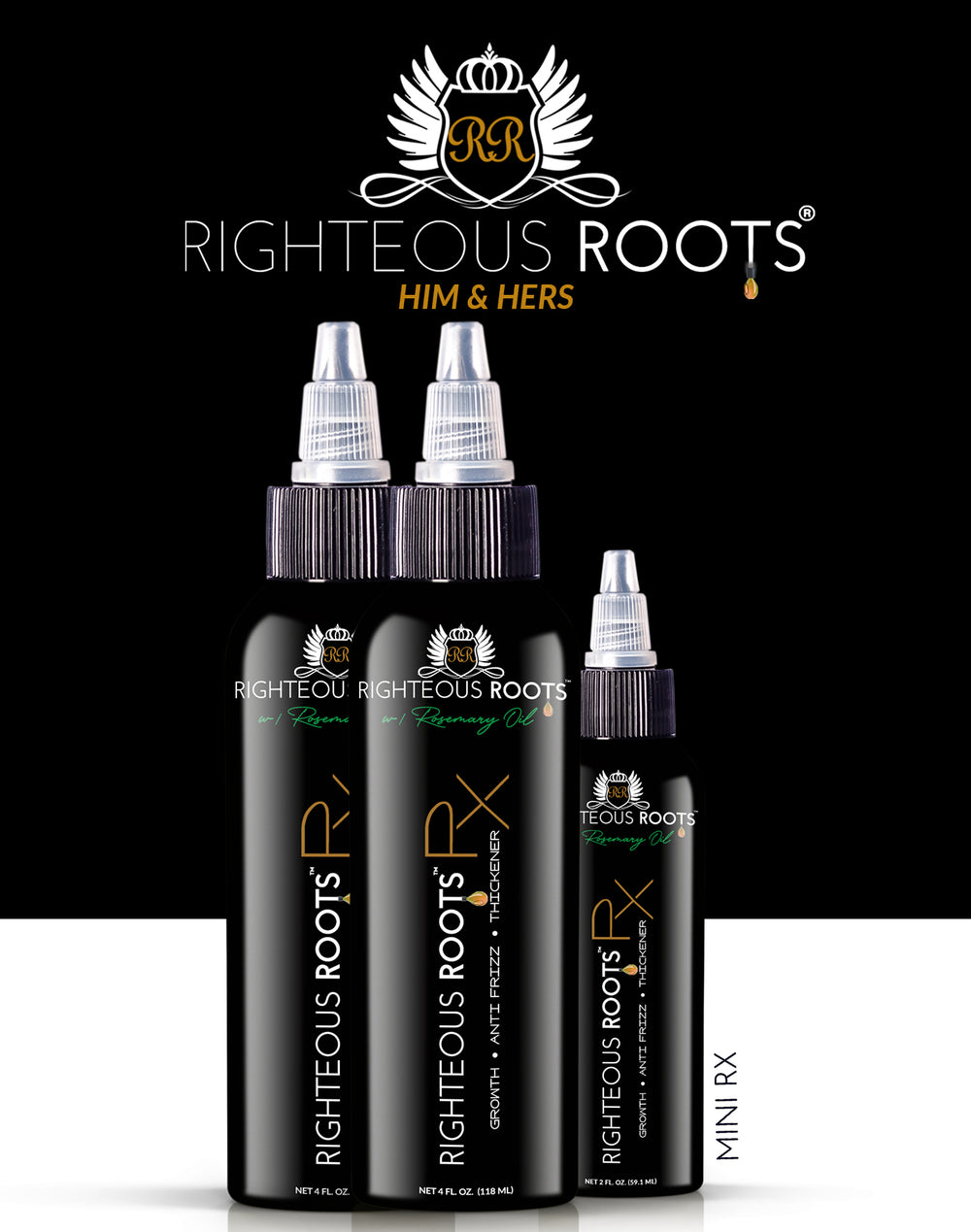
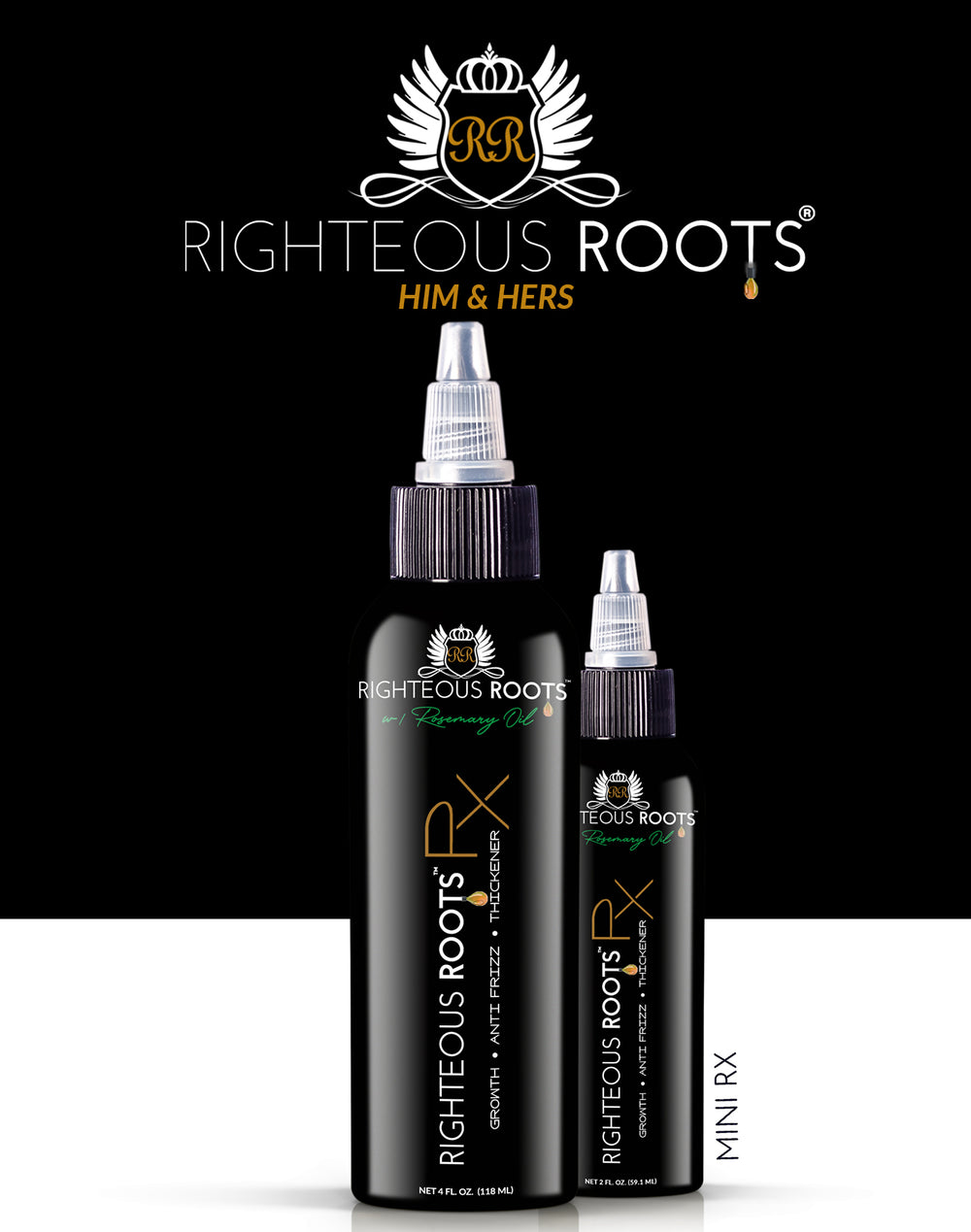
Apply Righteous Roots Oils directly to your scalp using the applicator tip, then gently massage with your fingertips. You can also smooth a small amount through your strands and ends where extra moisture is needed.
Moisture Matters More Than Ever
Hair can become drier during this stage of life, which means moisture becomes especially important. Dry strands are often more vulnerable to tangling and breakage, making hair appear even thinner.
Righteous Roots Oils can be incorporated into your routine to help nourish dry hair and scalp, seal in moisture, and keep strands feeling softer and more manageable.
Protect the Hair You Have
This is also a good time to become more intentional about how you handle your hair. Be gentle when detangling, reduce excessive heat when possible, and avoid styles that place unnecessary tension on your hairline.
At night, a satin bonnet or satin pillowcase can help reduce friction while you sleep. Small changes like these can make a meaningful difference in how your hair looks and feels.
Give Your Hair Some Grace
Perimenopause can bring a lot of changes, and your hair may be one of them. Instead of expecting your hair to behave exactly as it did years ago, give it the care it needs today.
Consistency matters. A simple routine focused on scalp care, moisture, gentle handling, and protection can help you care for your hair through this new season.
When to Talk to Your Doctor
Some shedding can happen during periods of hormonal change, but sudden, severe, patchy, or persistent hair loss deserves professional attention. A healthcare professional or dermatologist can help determine whether hormones, nutrition, medications, thyroid changes, stress, or another factor may be contributing.
A New Season for Your Hair
Your hair may be changing, but that doesn’t mean you stop caring for it. It simply means your routine may need to change with it.
Give your scalp attention. Give your strands moisture. Be gentle with your hair. And give yourself permission to adjust your routine as your hair changes.
Nourish the Hair You Have.
Add Righteous Roots Oils to your scalp and hair care routine for moisture, nourishment, and a little extra love during this new season.
SHOP RIGHTEOUS ROOTS